
Saab Unveils Its Inaugural T-7A Delivery
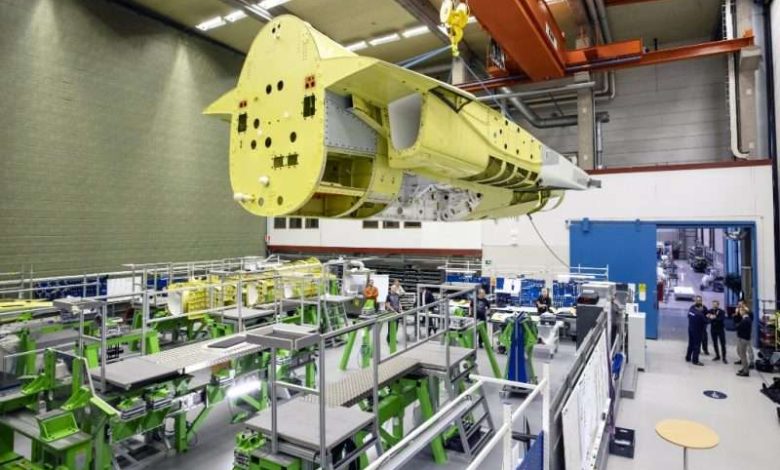
Saab has delivered its initial rear airframe section for the T-7A Red Hawk initiative. This represents a significant delivery in the Engineering and Manufacturing Development (EMD) program, supporting its T-7A Red Hawk advanced training aircraft collaboration with Boeing.
The manufacturing and delivery of this rear airframe section mark the latest achievement in Saab’s role in the design and development of the T-7A Red Hawk training aircraft for the United States Air Force. This shipment, dated 15 April 2021, is dispatched from Saab’s Linköping facility in Sweden to Boeing’s location in St. Louis, Missouri, USA. Upon the completion of the EMD production stage, Saab’s newly established site in West Lafayette, Indiana, USA will assume the production of the rear sections for the T-7A program.
“The T-7A Red Hawk signifies an extraordinary engineering accomplishment in aircraft development, accomplished through exceptional cooperation with Boeing alongside the application of digital engineering and advanced manufacturing techniques. It has been highly gratifying to lead this expedited development schedule and deliver the resulting precision, transparency, and communication into production,” stated Jonas Hjelm, Senior Vice President and head of Saab’s Aeronautics business area.
The rear fuselage was conceptualized and constructed by Saab, in collaboration with Boeing on the T-7A project. Upon arrival in St. Louis, the Saab rear section will be integrated with the forward fuselage, leading up to the installation of the wings, fins, and tail assembly, thus forming a complete static test airframe. This airframe will undergo structural assessments on the ground during the EMD phase of the project.
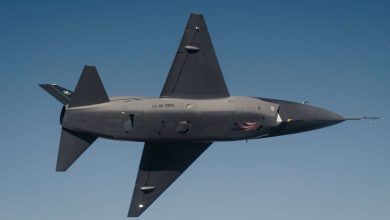
The T-7A Red Hawk is a state-of-the-art advanced pilot training system, engineered for the U.S. Air Force to prepare the next generation of combat aviators for years ahead. The aircraft has gained from Saab and Boeing’s innovative approach to military aircraft design, engineering, and production, which facilitated the transformation of the preceding T-X aircraft from concept to first flight in merely 36 months.