

“Groundbreaking Missile Enhancement Alliance between the U.S. and UAE Gets Green Light”
The U.S. Department of State has sanctioned a prospective agreement valued at $144 million with the United Arab Emirates (UAE), aimed at upgrading their current High-Speed Anti-Radiation Missiles (HARMs).
This enhancement initiative, termed the HARM Control Section Modification (HCSM), is poised to greatly bolster the UAE’s capacity to safeguard its airspace against evolving threats.
Enhanced Capabilities for Superior Security
The HCSM advancement equips the HARM with sophisticated navigation capabilities, such as GPS and a digital inertial measurement unit (IMU). This ensures the missile retains targeting precision, even when faced with enemy countermeasures or when the target radar ceases operation. Such accuracy mitigates the chances of unintended damage, protecting civilians and allied personnel.
Strengthening a Strategic Alliance
The acquisition of the HCSM kits reinforces the strong partnership between the United States and the UAE. This collaboration fosters regional stability and enhances the UAE’s capacity to deter conflicts and shield critical infrastructure.
Key Insights Regarding the Agreement
- Estimated Cost: $144 million
- Beneficiary: Government of the United Arab Emirates
- Deliverables: Up to 149 HCSM upgrade kits for existing HARM missiles
- Producer: RTX Corporation, Tucson, AZ
About the HARM Missile
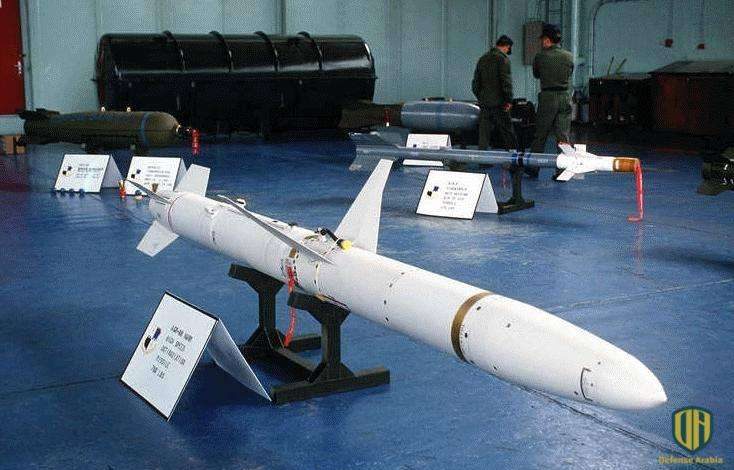
The AGM-88 HARM is a tactical air-to-surface missile engineered to target enemy radar facilities. It serves as a pivotal asset for neutralizing and dismantling adversary air defense systems, ensuring secure operations for allied aircraft.
Advantages for the UAE
- Enhanced aerial defense capabilities against emerging threats
- Improved targeting precision, thereby reducing collateral damage
- Bolstered regional security and deterrence
This agreement underscores the U.S. commitment to addressing the UAE’s defense requirements and nurturing a strong alliance for a more secure Middle East.