
SAMI Sets Sights on a $1.8 Billion Growth Surge Through Strategic Partnerships and Acquisitions
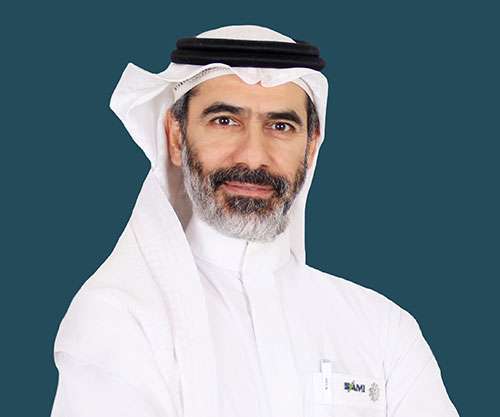
Saudi Arabian Military Industries (SAMI) is set to invest up to $1.8 billion (SR7 billion) in the near future, focusing on strategic alliances, projects, and specific acquisitions, revealed CEO Walid Abukhaled (photo) in an interview with Asharq News during the Future Investment Initiative (FFI) Summit held on 27-28 January 2021 in Riyadh, Saudi Arabia.
SAMI also targets localizing over 50% of governmental military expenditures by 2030, in alignment with the governmental vision for the Kingdom to attain self-sufficiency.
Reaching the 50% ambition by 2030 poses a formidable challenge, especially since the company began with an approximate 3% share of governmental purchases when SAMI was established in 2017. However, the CEO expresses optimism about achieving this milestone. “I’m aiming for a minimum of 60%, if not even higher,” he articulated to Arab News in an interview last month.
This lofty ambition received a substantial boost recently when SAMI acquired Advanced Electronics Co. (AEC), securing the 50% stake previously owned by British defense titan BAE Systems.
SAMI aspires to be recognized among the top 25 defense firms globally by 2030, and the acquisition of AEC has significantly accelerated its trajectory towards that goal by reducing the timeline considerably.
SAMI engages in partnerships and projects not solely for profit; the primary objective is knowledge sharing and technology transfer, noted Abukhaled, emphasizing the firm also allocates a budget dedicated to research and investment within Saudi Arabia.
Abukhaled informed Asharq that the company has established partnerships with numerous global firms, including Lockheed Martin, Northrop Grumman, and the French company Thales.
Saudi Arabia ranks as the world’s third-largest defense spender and has historically imported nearly all of its military apparatus from overseas.