



Lockheed Martin Leverages AI to Revolutionize F-35 Target Recognition Technology
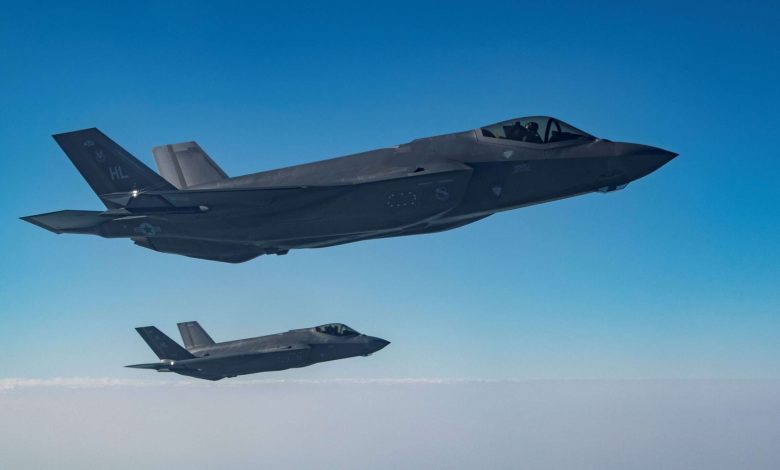
Lockheed Martin has achieved a significant milestone by successfully flight testing an innovative artificial intelligence (AI) Combat Identification (Combat ID) capability integrated into the F-35’s information fusion system. This groundbreaking initiative, called Project Overwatch, marks the inaugural use of a tactical AI model in-flight to autonomously generate Combat ID on the pilot’s display.
This development underscores Lockheed Martin’s dedication to enhancing warfighter capabilities in a rapidly changing threat landscape. The focus is on accelerating scalable solutions with impressive speed. Through pioneering approaches, Lockheed Martin has executed real-time, over-the-air software updates to the Aegis multi-mission combat system for deployed U.S. Navy ships in the Red Sea, enabling agile countermeasures against sophisticated drone and missile threats.
The Big Picture:
During the Project Overwatch test flight at Nellis Air Force Base in Nevada, a Lockheed Martin-developed AI/machine learning model effectively resolved identification ambiguities among various emitters. This advancement significantly improved situational awareness while reducing the latency in pilot decision-making. Engineers utilized an automated tool to label newly identified emitters, retrain the AI model on the spot to learn the new emitter class within minutes, and reload the updated model for subsequent flights—all within the same mission planning cycle.
Why It Matters:
The integration of this advanced AI technology into the F-35’s mission system enables pilots to assess threats more swiftly, allowing for quicker decision-making in combat scenarios. Given the urgency of synthesizing data during operations, Lockheed Martin is committed to further enhancing this capability, expanding the AI model’s training to improve reliability and precision.
Expert Perspective:
“This demonstrates the fusion of 6th Generation technology with a 5th Generation platform,” remarked Jake Wertz, vice president of F-35 Combat Systems at Lockheed Martin Aeronautics. “Equally crucial is our ability to update the AI model on the ground, ensuring these enhancements are ready for subsequent missions—an essential factor in maintaining a tactical advantage in a dynamic threat environment. These advancements embody Lockheed Martin’s 21st-century strategy, which integrates next-generation performance, continuous software updates, and AI-driven decision-making to support our customers against emerging challenges.”
Additional Context:
With decades of investment in AI innovation, Lockheed Martin is committed to designing systems that are smarter, more secure, and interconnected. Initiatives like Project Overwatch exemplify our intentional approach to innovation, creating solutions that integrate seamlessly and provide immediate value. The outcomes from this flight test will guide future developments and potential integration strategies.
About the F-35:
With 12 nations currently operating the F-35 and over 1,300 aircraft in service, the F-35 continues to fulfill its promise of unparalleled reliability and combat effectiveness. Lockheed Martin is poised to ensure that this fleet remains at the forefront of technology, supporting our allies as they enhance their operational capabilities globally, solidifying the F-35 as a vital asset to international security for many years to come.