
Lockheed Martin’s Skunk Works Unveils Cutting-Edge AI for Autonomous UAV Mission Solutions
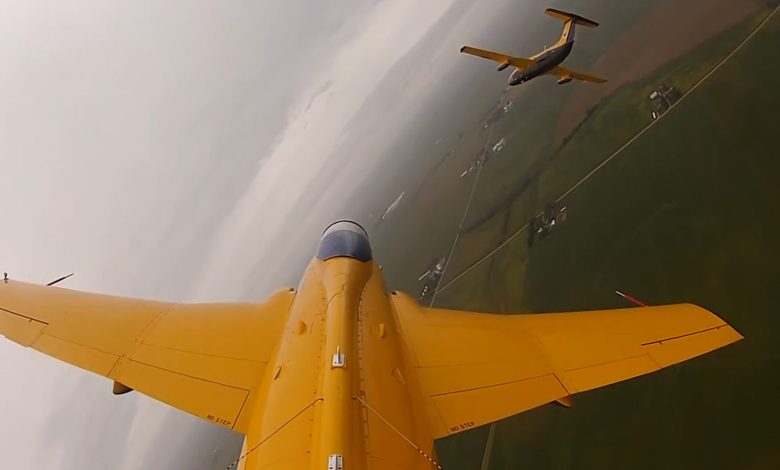
Lockheed Martin Skunk Works® has successfully showcased advanced artificial intelligence (AI) driven mission contingency management (AI/MCM) using the Stalker XE Block 25 Unmanned Aerial Vehicle (UAV) and the Alta X 2.0 drone, adapted by Drone Amplified. This groundbreaking test highlights AI’s ability to autonomously modify mission parameters in response to unexpected challenges, a significant step towards enhanced autonomous operations.
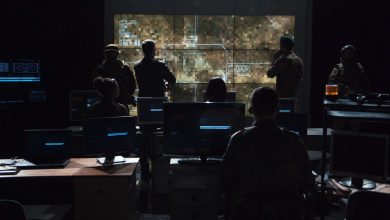
The demonstration involved simulating various fuel contingencies. Within moments, the AI within the ground command-and-control (C2) system assessed the situation, generated alternative plans, and presented them to the operator. Upon selecting a preferred option, the AI seamlessly reassigned the Stalker’s mission to the Alta X and directed the Stalker to return home. This intelligent AI handling of contingencies allows operators to address problems swiftly while focusing on critical mission tasks.
The Stalker UAV contributed valuable mission data to a central C2 node, coordinating with an Unmanned Ground Vehicle (UGV) operating in Kansas, alongside UAVs from Fulcrum, showcasing the synergy of unmanned aerial and ground vehicle control. This integrated approach illustrates how a single mobile command node can effectively manage and direct multiple geographically dispersed drone networks in various configurations.
“This demonstration confirms that AI can transition from the research environment to real-world applications, providing a spectrum of capabilities that include autonomous decision-making and swift data interchange among unmanned vehicles across aerial, terrestrial, and synthetic domains,” stated OJ Sanchez, vice president and general manager of Lockheed Martin Skunk Works. “By integrating AI-driven UAV replanning with UGV functionality, we are equipping warfighters with the agility, speed, and assurance required to act decisively in contested scenarios.”
The Lockheed Martin team utilized the STAR.SDK™ solution, a vital component of the STAR.OS™ ecosystem. STAR.SDK empowers developers to swiftly create and deploy AI services, allowing them to concentrate on mission objectives. This tool facilitated the integration of the contingency application with a user interface, enabling operators to engage with a chat assistant that suggested re-tasking options. The STAR.OS platform enables seamless collaboration among various AI systems, enhancing the capabilities of unmanned systems.
This demonstration further exemplifies Lockheed Martin’s unwavering dedication to advancing autonomous technologies and fostering open architectures that bolster multi-domain integration, empowering U.S. warfighters and their allies.