

Lockheed Martin Leverages Next-Gen Fighter to Direct In-Flight Drones
Lockheed Martin Skunk Works® has achieved a remarkable milestone by successfully controlling an uncrewed aerial system (UAS) directly from the cockpit of a 5th Gen fighter during an operational flight test out of Nellis Air Force Base, Nevada.
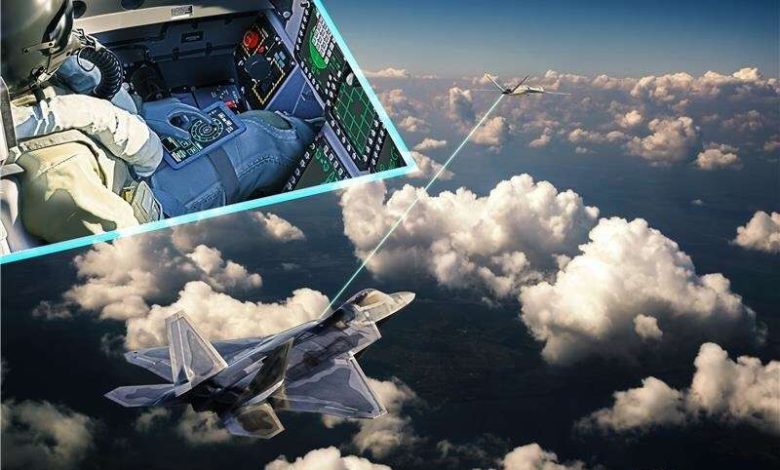
In this groundbreaking flight, an F-22 Raptor pilot operated an open cockpit interface to send commands to another UAS that was airborne, showcasing a leap in air combat capabilities.
OJ Sanchez, vice president and general manager of Lockheed Martin Skunk Works, stated, “This initiative exemplifies Skunk Works’ commitment to enhancing air combat effectiveness, enabling single-seat aircraft to effortlessly command and interact with drones through user-friendly cockpit interfaces.”
Utilizing a pilot vehicle interface (PVI), the F-22 pilot directed the drone to carry out specific mission profiles. The PVI is designed to support integration-ready capabilities, benefiting both current and future aircraft platforms.
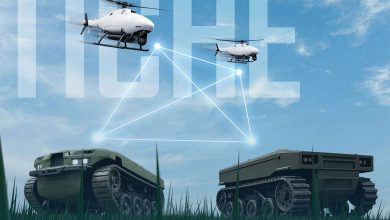
This event highlights the potentials of human-machine teaming, a crucial aspect of modern air combat. For years, Lockheed Martin has concentrated on harnessing the transformative capabilities of autonomous and AI-driven operations within crewed and uncrewed systems, focusing specifically on seamless integration of autonomous drones with the F-22 and F-35.
Such flight demonstrations, along with ongoing assessments, are vital in achieving the U.S. Air Force’s vision for a family of interconnected systems. Enhancing human-machine teamwork significantly boosts situational awareness, interoperability, survivability, and operational adaptability, providing the U.S. Air Force with a comprehensive advantage. By integrating the F-22 with cutting-edge systems, we are reinforcing our warfighters’ capabilities and affirming America’s airpower superiority.
Lockheed Martin is at the forefront of innovation, with a proactive approach to developing, testing, and refining 5th Gen teaming capabilities, thus showcasing the future of aerial combat today.