
Korean Forces Set to Evaluate the Innovative Redback IFV
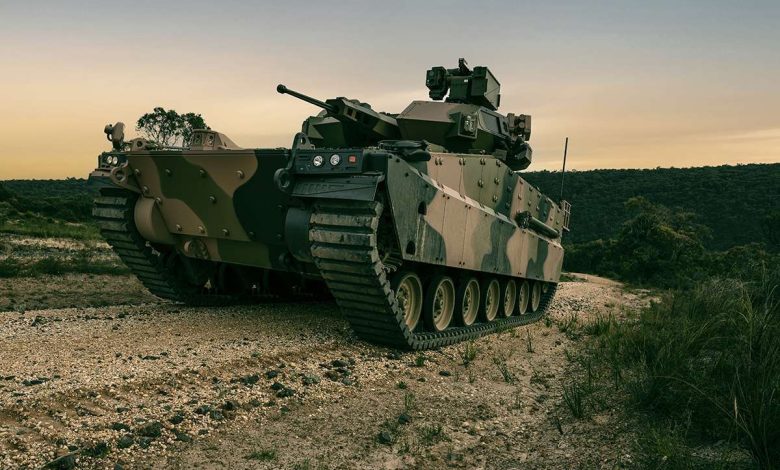
The Republic of Korea (ROK) Army is set to evaluate the Redback Infantry Fighting Vehicle (IFV) next year.
The Defense Acquisition Program Administration (DAPA), South Korea’s weaponry procurement division, has made this choice as part of its initiative to scrutinize the intricate capabilities of modern military systems available for international sales.
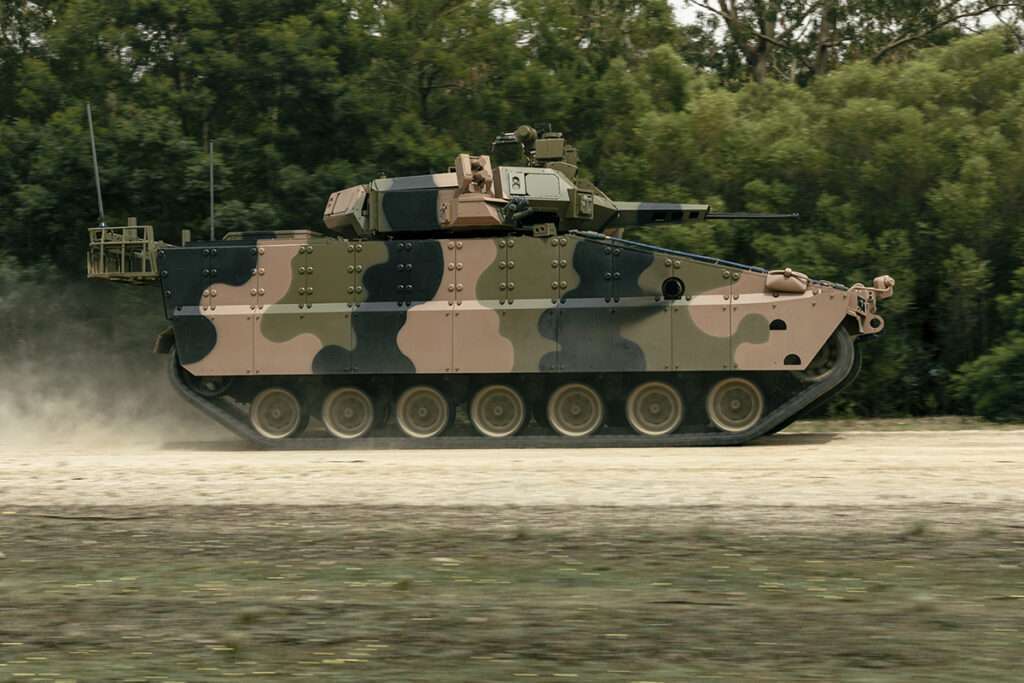
Manufactured by Hanwha Defense Australia, the Redback is a 5th Generation IFV crafted specifically to fulfill the stringent specifications of Australia’s Land 400 Phase 3 initiative, which is a program valued between $18 billion to $27 billion aimed at acquiring as many as 450 Infantry Fighting Vehicles to replace the Australian Army’s M113 armored personnel carriers.
The Redback was selected in 2019 as one of the final two candidates for the Land 400 Phase 3. Three Redback units were delivered to the Commonwealth earlier this year for testing and assessment under the Risk Mitigation Activity (RMA), which will conclude in October.
According to DAPA, the evaluations in South Korea will be carried out by a mechanized unit of the ROK Army from April to June 2022. The testing sessions will encompass driving assessments on both paved and unpaved terrains, along with tactical field exercises.
For the ROK Army evaluations, one of the three RMA vehicles will be allocated to the mechanized unit after passing Australian tests and assessments.
The ROK Army currently operates K21 IFVs, with plans to procure additional units as the service aims to implement next-generation IFVs that cater to its long-term operational needs.
The ROK Army’s enthusiasm has been piqued by the Redback’s remarkable advancements in systems integration, including the recent successful demonstration of the Iron Fist Active Protection System and the test launch of the SPIKE LR-2 Anti-Tank Guided Missile from a Redback vehicle.
ROK military personnel are anticipated to witness the capabilities of the Iron Vision system and the composite rubber track utilized on the Redback.
Iron Vision enables the crew to observe outside the vehicle’s armor by projecting images onto their helmet-mounted displays. Redback’s rubber tracks diminish noise and vibrations while providing an enhanced ride quality for both the crew and the soldiers it safeguards.
Hanwha Defense has aspirations for IFV programs beyond Australia and is actively seeking opportunities within the US and European markets.
The ROK Army’s interest in the Redback and Hanwha’s global IFV ambitions could generate export prospects for the Australian Industry, highlighting the significance of secondary supply chain security for South Korea.