

Soaring into the Future: The B-52’s Journey to 2050
Collins Aerospace has been providing the engine system components for the B-52 since the 1950s
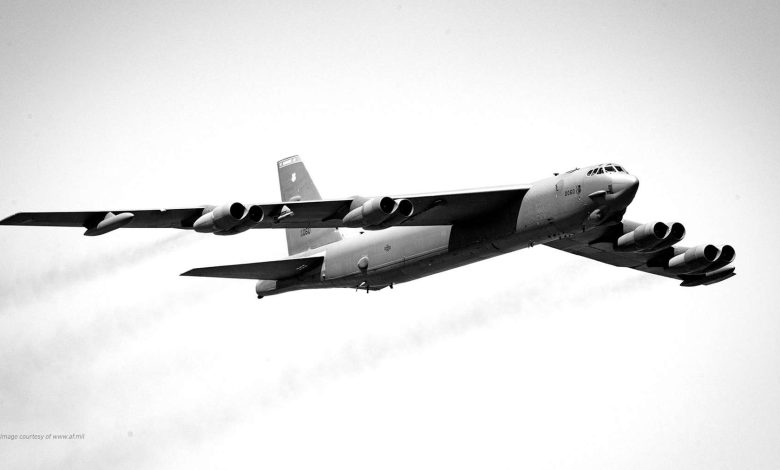
When the United States Air Force (USAF) introduced the iconic Boeing-designed B-52 bomber in the 1950s, few could have anticipated that this aircraft would still be operational today—and that the USAF would choose to extend its service at least until the 2050s. This is the current strategy for the 76 B-52H aircraft in use, the most recent of which were manufactured in the 1960s.
The B-52 Stratofortress—a long-range, subsonic, jet-powered strategic bomber—has been instrumental in deterring enemy threats from the Cold War and Vietnam War to Desert Storm and the global war on terrorism. As the existing fleet surpasses 50 years of active duty, the USAF has recently opted to re-engine the B-52 as part of the Commercial Engine Replacement Program (CERP). This initiative will equip these storied aircraft with commercially available, current-production jet engines that will:
- prolong the aircraft’s lifespan
- minimize maintenance requirements
- enhance fuel efficiency
- expand operational range
- improve diagnostic tools
- lower greenhouse gas emissions.
A commendable birthday gift for this relentless warbird.
Collins Aerospace has been integral to the B-52 fleet since the inaugural model took to the skies in the 1950s. Rohr Aircraft Corporation, one of Collins’ historic subsidiaries, manufactured components of the aircraft’s propulsion system for what was then Boeing’s state-of-the-art new bomber: the B-52. As the aircraft evolved from the initial “A” variant to the present “H” version that began flying in the 1960s, Collins Aerospace enhanced its manufacturing capabilities to adapt original components for increased electrical power generation and engine thrust. Throughout the years, the firm supplied not only the nacelles and struts but also the fuel tanks and rear fuselage structure.
“We’ve contributed to every variant of the B-52, producing 5,952 nacelles and 2,976 struts over the years,” remarked Marc Duvall, president of Aerostructures at Collins Aerospace. “We possess an in-depth understanding of nacelles and are adept at manufacturing them to meet Boeing and Air Force specifications and timelines. Furthermore, Collins has the service and repair network to ensure these components remain operational as the B-52 mission moves towards its centennial celebration.”
It is paramount for the USAF that its suppliers deliver the safest and most efficient components available. Collins Aerospace’s established designs and punctual delivery rates have ensured optimum fleet readiness for military aircraft as well as commercial and business jets.
“We believe we have extensive expertise in complex, highly engineered nacelle structures for aircraft relative to any competitors in the field. Our team has been manufacturing these components for 80 years,” Duvall stated. “We support more than 50 different programs, and our products have received certification alongside the aircraft on 18 new programs over the last decade. We take pride in the fact that so many clients put their confidence in us.”
In recent years, Collins Aerospace has been a key supplier in two significant USAF re-engine initiatives: the Lockheed C-5 and Boeing KC-135. The company supplied the new C-5M with struts for the replacement engine, along with inlets, fan cowls, and core cowls for the nacelle, adapted from an existing program. For the Boeing KC-135, Collins provided inlets and fan cowls for approximately 425 units.
“The B-52 boasts a 70-year legacy of reliability and performance since its first flight in the 1950s, and our propulsion components have been present on every aircraft for every air hour,” Duvall noted. “We’ve been alongside the USAF for the B-52 since its inception, and we offer a unique blend of technology and experience to support this platform in its next chapter of its storied mission.”