

DARPA Achieves Major Breakthrough in Hypersonic Air-Breathing Weaponry Initiative
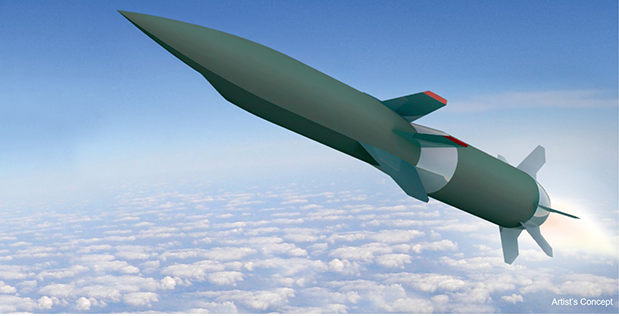
DARPA and the U.S. Air Force (USAF) have successfully concluded captive carry tests for two variants of the Hypersonic Air-breathing Weapon Concept (HAWC). This crucial achievement paves the way for initial free-flight testing set to occur within the year. This collaboration aims to develop and showcase key technologies for an efficient and cost-effective air-launched hypersonic cruise missile.
Lockheed Martin and Raytheon Technologies, the HAWC program’s key performers, have each conducted tests of advanced air vehicle configurations designed to achieve and maintain efficient hypersonic flight. Upcoming flight tests will emphasize hydrocarbon scramjet-powered propulsion and advanced thermal management techniques. These efforts are aimed at enabling sustained hypersonic cruise, while also focusing on cost-effective system designs and manufacturing methods.
“The completion of the captive carry test series confirms that both HAWC designs are primed for free flight,” stated Andrew “Tippy” Knoedler, HAWC program manager in DARPA’s Tactical Technology Office. “These tests significantly bolster our confidence, built from years of simulation and wind tunnel research, in our unique design approach, which promises to deliver unparalleled capabilities to U.S. forces.”
The HAWC program has been a collaborative initiative between DARPA and the USAF from the very beginning. Furthermore, DARPA is also partnering with various military services and agencies, such as the Missile Defense Agency, U.S. Navy, and NASA, to validate and eventually transition vital technologies. The extensive flight data gathered from these tests is intended to enhance confidence in air-breathing hypersonic systems and mitigate risks for potential future acquisition programs across the U.S. government.