
HAVELSAN is poised to form a team for the Farnborough International Airshow 2024. This significant event, scheduled for July 22-26, 2024, in Farnborough, United Kingdom, will showcase HAVELSAN’s engagement with prominent industry stakeholders such as airlines and flight training institutions to inform them of the latest innovations at HAVELSAN and the versatile pilot training equipment solutions offered by the manufacturer.
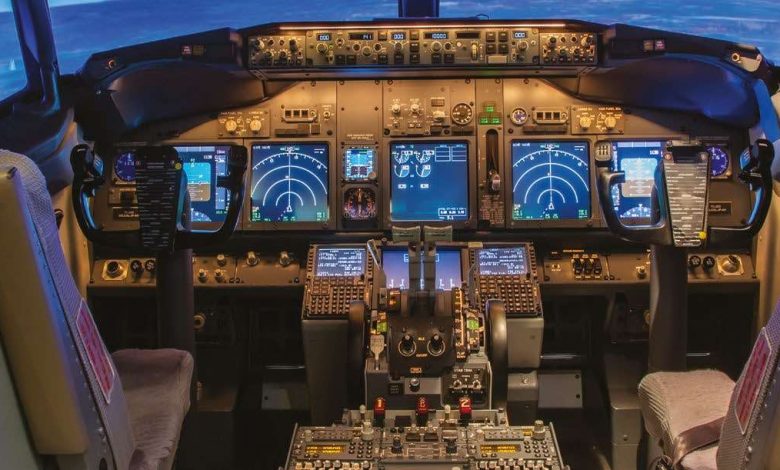
This year, 2024 has seen a multitude of airlines and training institutions placing their trust in the manufacturer for top-quality pilot training apparatus, including comprehensive flight simulators. HAVELSAN has proficiently delivered equipment ahead of expected schedules, and its devices have secured global accreditation. Noteworthy deliveries this year encompass the 5th full flight simulator supplied to Turkish Airlines as part of an order totaling eleven (11) full flight simulators and FTDs, as well as an Airbus A320 neo/CEO full flight simulator featuring three (3) engine options provided to the esteemed independent flight training organization IFTC, in addition to orders from airlines such as SunExpress.
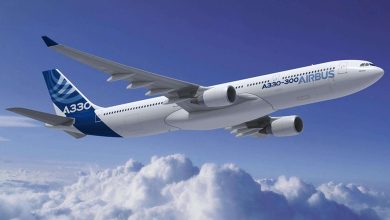
Since the beginning of 2024, HAVELSAN has supplied several Boeing B737MAX and Airbus A320 full flight simulators, achieving subsequent EASA certification for its equipment. So far, HAVELSAN’s solutions have facilitated the training of over 8,600 airline pilots since its inception.
Illustrating its ability to deliver tailored solutions to airlines and independent training institutions, HAVELSAN earlier this year announced a collaboration with Turkish Airlines to establish a training facility in Ankara, Turkiye.
HAVELSAN is particularly focused on providing exceptional after-sales support and engaging with clients regarding long-term partnership initiatives. The company is currently actively seeking more airline or training center operators to disseminate information about its offerings and the unique solutions it can provide.